The IvreetMeet blog
Guides for getting a usable Hebrew transcript, and engineering notes on how it is produced.

Hebrew transcription: turning a recording into text
What actually decides the quality of a Hebrew transcript, which files you can upload, what it costs, and what the law says about recording.
Transcribe Hebrew audio to text
From a file on your phone to a transcript split by speaker: the steps, the formats, the size limit, and how to check the result.

Hebrew speech to text
Why a model built for spoken Hebrew behaves differently from a general one, and what that changes in a real meeting.

Free Hebrew transcription
The two free routes, what each one includes, what free tiers usually take back, and how to get the most out of a monthly allowance.

Hebrew meeting transcription
Transcript by speaker, decisions and action items, from a Zoom, Meet, Teams or phone recording — and what to say about consent.

Hebrew video transcription
Lectures, interviews, webinars and clips: uploading video, what to do about size, and how to get subtitles out of the result.

WhatsApp voice messages to text
How to save a voice note as a file on Android, on iPhone and in WhatsApp Web, and read it as Hebrew text.

Zoom recordings in Hebrew
Exporting the recording from Zoom, which file to upload, and why a dedicated Hebrew transcript beats the built-in one.

Hebrew speech-to-text API and MCP
A REST API with a personal key, and an MCP server that connects your meetings to Claude, ChatGPT, Cursor, VS Code and the CLIs.
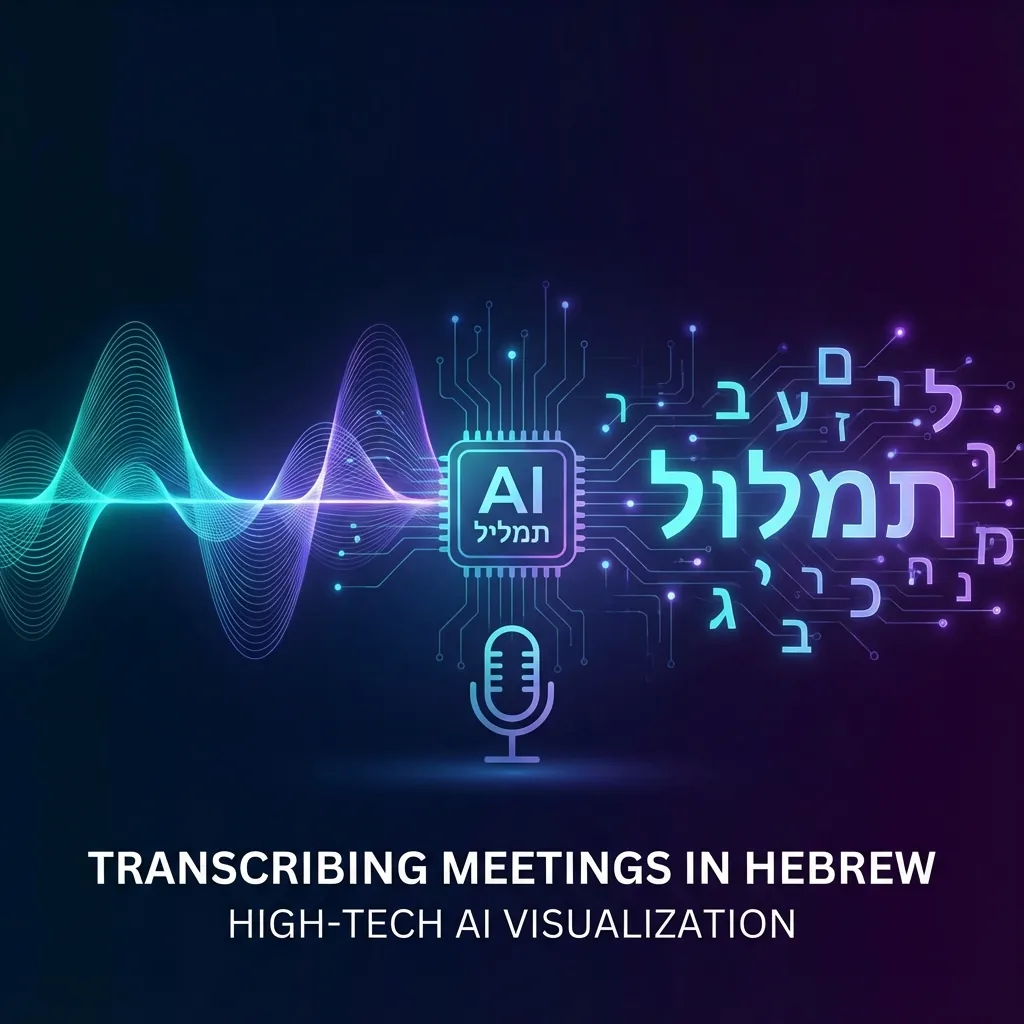
How to transcribe a Hebrew recording, step by step
The walkthrough: pick the right file, upload it, add an instruction, and read the transcript and the summary that come back.

How an AI meeting summary is written
What separates a summary from a transcript, where the decisions and action items come from, and how to make yours better.
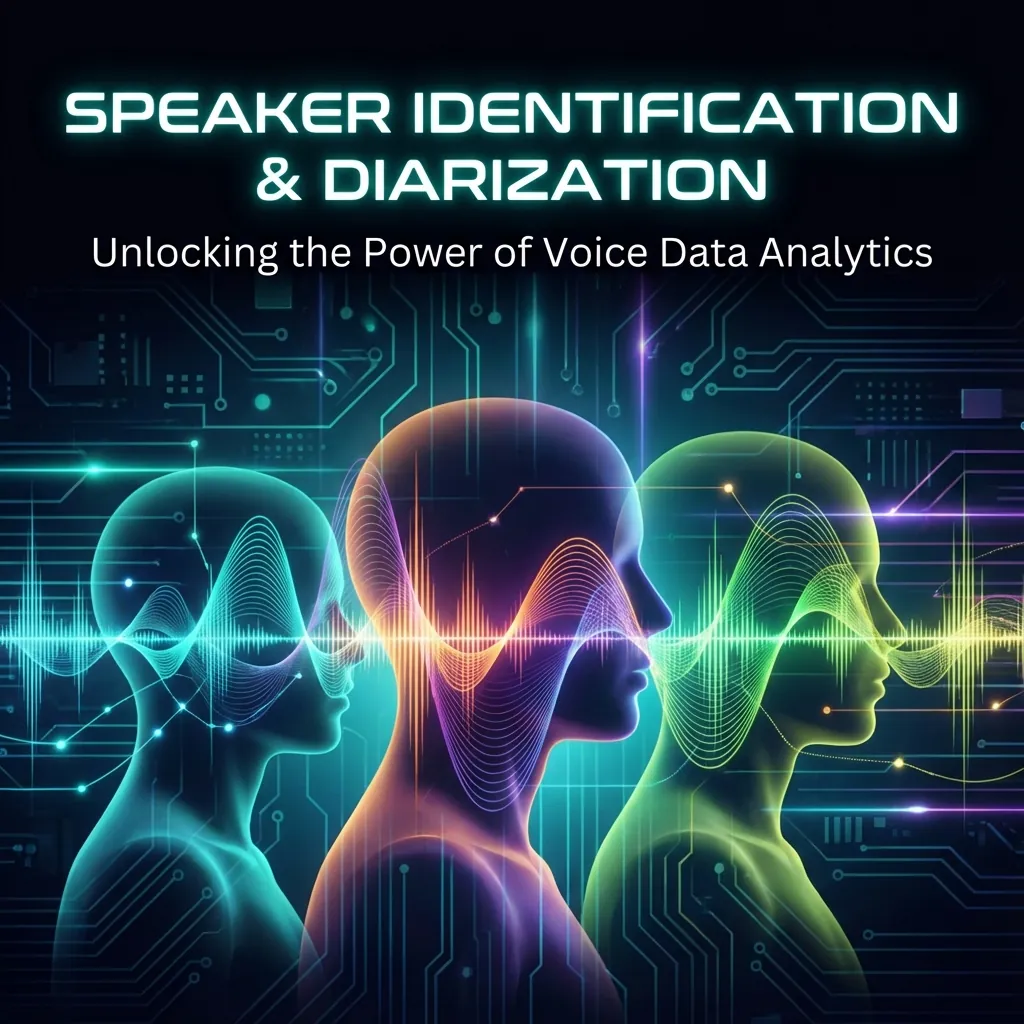
Speaker diarization, explained
How a system works out who spoke when, why names beat "Speaker 1", where it struggles, and what a voiceprint means legally.
Why general models miss spoken Hebrew
A transcription model guesses the likeliest words. When the training was mostly English, the guess is fluent and wrong.

How IvreetMeet is built
Our own Hebrew speech model on our own infrastructure, diarization alongside it, and a summary written from text only.

Why an hour of audio comes back in minutes
Segments decoded in parallel, capacity that grows with the queue, diarization that runs alongside — and what actually makes you wait.
What is left after processing, and where
A worker per meeting that keeps nothing, a recording that stays in your account until you delete it, and a preview link gated server-side.

Documenting meetings when half the team is remote
How hybrid teams lose what was said, and how a searchable archive of transcripts and summaries fixes it without more meetings.